Building in the Bear: Why This Is the Best Time
Two collapses in one year. A market down 70%. Regulatory pressure everywhere. This is exactly when the infrastructure worth building gets built.
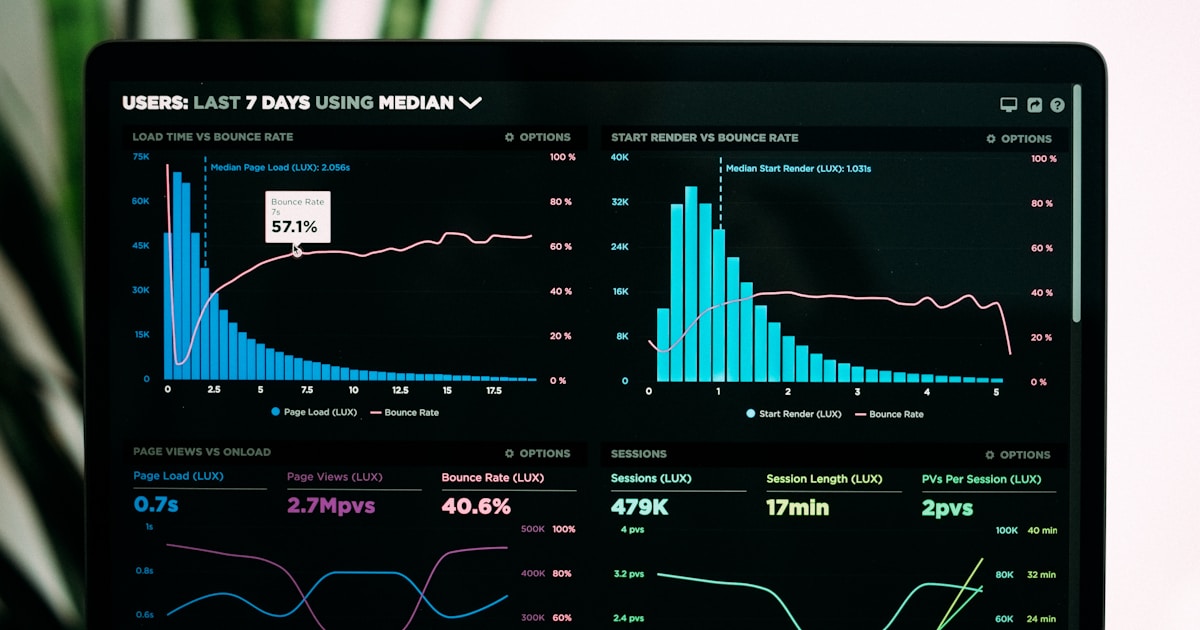
2022 was brutal. LUNA in May. Three Arrows Capital in June. FTX in November. Bitcoin down 65% from its peak. The retail optimism of 2021 replaced by exhaustion and skepticism.
And yet: I’m more optimistic about what we’re building than I’ve been in three years.
Here’s why.
The Speculative Layer Is Gone
Coinbase, Kraken, Chainalysis — every major crypto infrastructure company was built or scaled in a bear market. The pattern is consistent. Bears build; bulls speculate.
 When speculation retreats, the builders who remain are the ones who were never here for the price.
At the peak of the 2021 bull market, the noise-to-signal ratio in crypto was extraordinary. Every week there was a new protocol, a new chain, a new “paradigm.” Capital was flowing toward anything with a credible pitch deck and a token. Engineers were leaving product companies to farm yield. Attention was fractured.
That’s over. The speculative projects have collapsed or paused. The yield farms have been abandoned. The tokens with no underlying value have gone to zero.
What’s left is the infrastructure that actually works: Ethereum, Solana (still building despite its issues), the Layer 2 ecosystem that’s been quietly maturing, stablecoin payment rails, DeFi lending protocols that survived the stress tests.
Separating signal from noise is much easier now. You can evaluate what’s real.
Talent Is Available
In mid-2021, hiring engineers with relevant experience was nearly impossible. Every engineer with Solidity experience or DeFi protocol knowledge was being bid up by anonymous protocols with token allocations. The comp requirements were surreal.
That pressure is gone. Experienced engineers who joined speculative projects during the bull market are available. Engineers who learned from building at high-growth companies are more realistic about compensation expectations.
I’ve hired three people in the last month who six months ago would have been inaccessible. The team we’re building now is better than the team we could have built at peak.
Users Who Remain Are Real
The users who are still here — still using DeFi protocols, still holding stablecoins, still building payment solutions on crypto rails — aren’t here for speculation. They’re here because the technology solves a problem for them.
Cross-border payment users who moved to stablecoin remittance corridors because the cost was 3% instead of 8%: they’re still here. They’re not going back.
The businesses using USDC for B2B settlement between trading partners in different countries: they’re still here. The settlement advantage doesn’t disappear because LUNA collapsed.
The user base has contracted, but what remains is much more valuable from a product perspective. These are users with real use cases and real loyalty.
What I’m Building Toward
The crypto payment infrastructure stack is clearer to me now than it’s ever been:
Stablecoin rails for cross-border B2B settlement. Programmable, fast, cheap, and increasingly regulatory-compliant as issuers like Circle operate under clear frameworks.
MPC custody so that institutional users and platforms can hold crypto assets with the kind of key management guarantees that don’t require trusting a single custodian.
On-chain compliance — the ability to build KYC/KYB, sanctions screening, and transaction monitoring in a way that’s composable and auditable rather than siloed.
Fiat on/off ramps that are reliable enough to make crypto-native payment infrastructure genuinely practical for mainstream business use.
None of this is glamorous. It doesn’t have the narrative energy of NFT speculation or yield farming. But it’s the infrastructure layer that makes crypto payments real.
Bear markets are when real infrastructure gets built. I’m here for it.